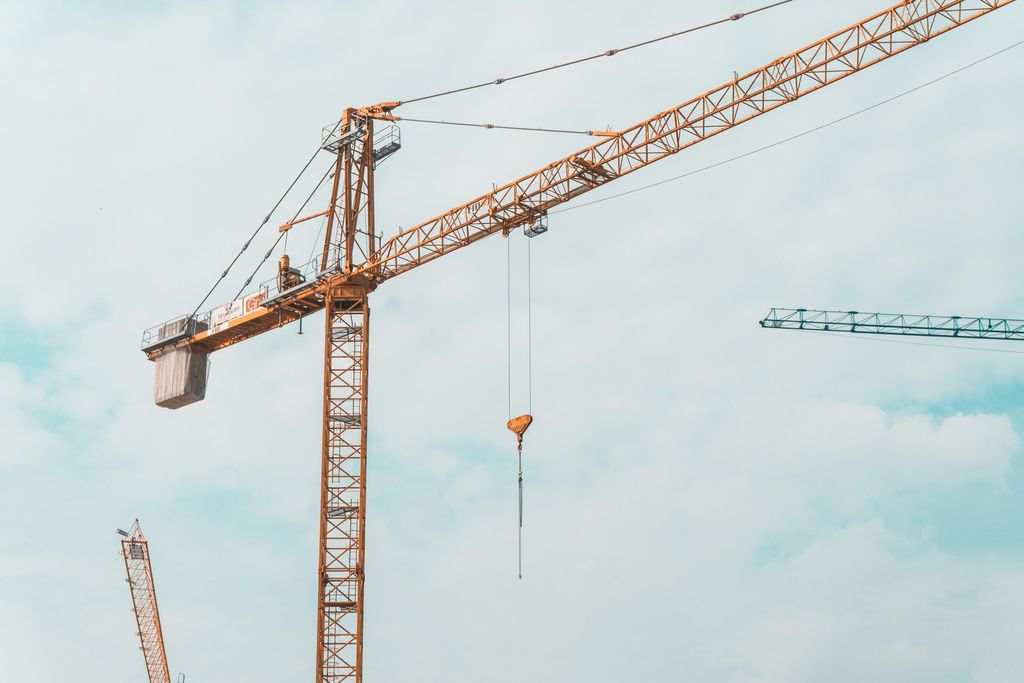
What steel erectors usually need
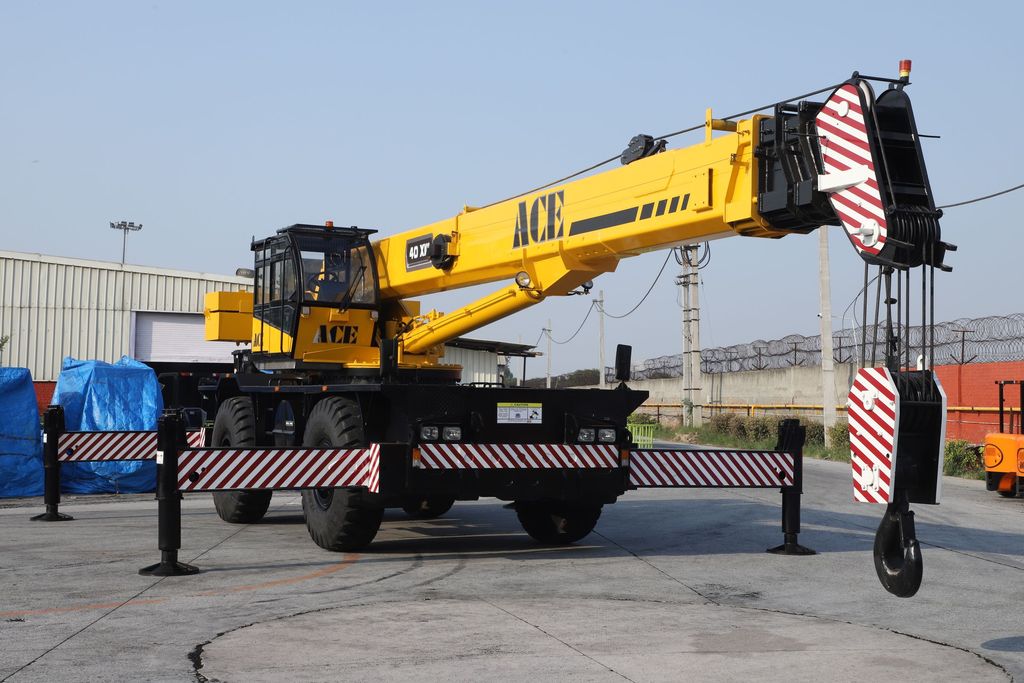
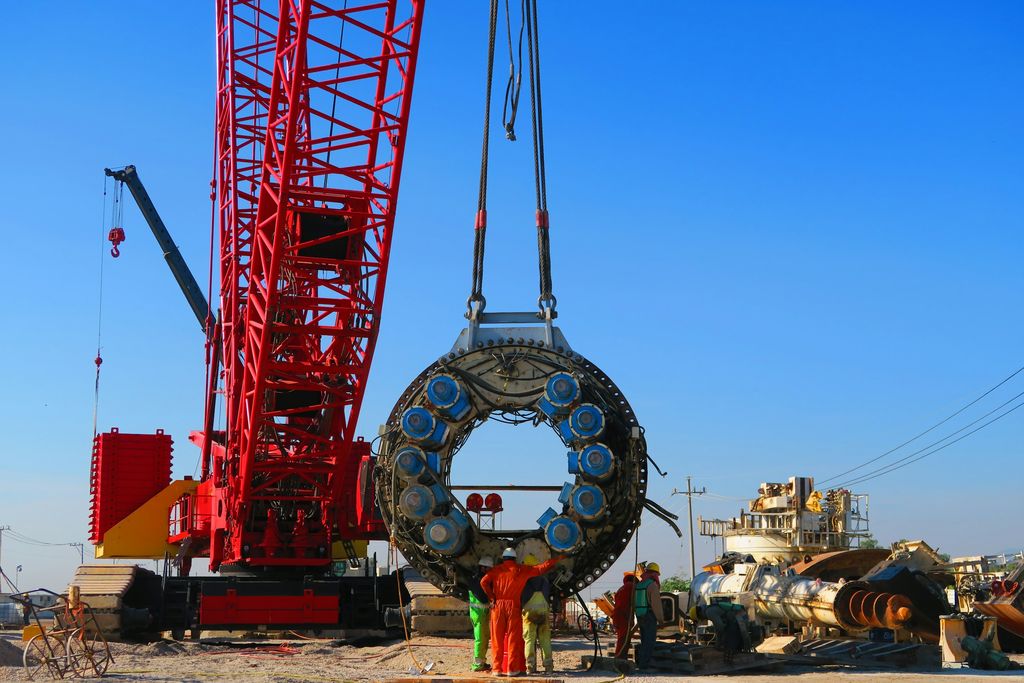
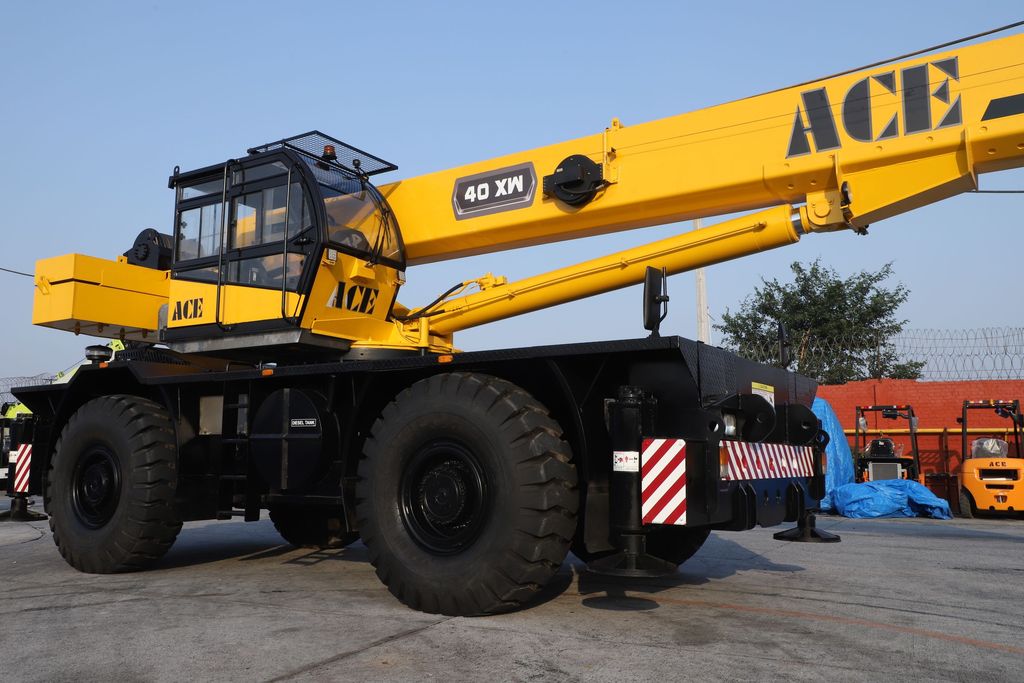
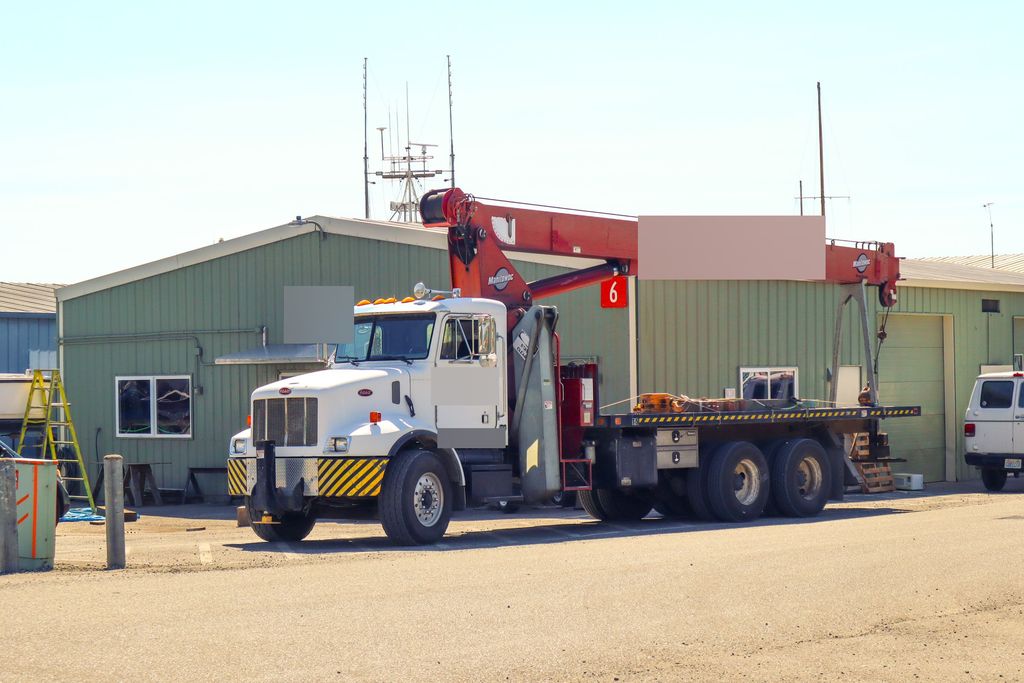
- Operated crane rental by the day or week for multi-day steel packages
- Cranes for pre-engineered metal buildings, joists, and decking bundles
- Single-day picks for canopies, stairs, and miscellaneous steel
Information that speeds up the quote
- Heaviest piece and longest reach, plus the general piece count or tonnage
- Erection sequence and expected duration
- Site access, ground conditions, and where the crane can travel or set up
- Whether your crew provides the rigging and signal person
Steel erection is covered by its own OSHA standard (29 CFR 1926 Subpart R) in addition to the crane rules; your erector and the crane provider coordinate those responsibilities.
Safety and compliance basics
On construction sites, federal OSHA rules for cranes (29 CFR 1926 Subpart CC) require, among other things, a certified or qualified operator, qualified riggers and signal persons, ground conditions that can support the crane, and specific clearances from energized power lines. In Arizona, workplace safety is administered by ADOSH, which adopts these standards. A reputable crane company will ask about these items up front — that’s a good sign, not red tape.
Lifts that are heavy relative to the crane’s capacity, over occupied areas, or involve multiple cranes often require a written lift plan. Lifts from a public street or sidewalk usually need a right-of-way or street-use permit from the city; the crane company or your general contractor can typically advise on who pulls it.
How it works
- Tell us about the lift using the quote form: the load, the reach, the site, and your date.
- We line up the right crew from the vetted, licensed and insured local crane companies we work with — one that handles that type and size of lift in your area.
- You get taken care of The crane company reaches out promptly, usually the same business day, to confirm details, schedule, and quote. You work directly with them, and there’s no fee to you.