The difference in one line
- Operated (“wet”) rental: the crane company supplies the crane and a certified operator, and typically handles the crane’s fuel, maintenance, and inspections.
- Bare (“dry”) rental: you get the crane only. You supply the operator and take on the responsibilities that come with running it.
Terms vary by company. You may also see “operated and maintained” for wet rental, so confirm exactly what’s included in any quote.
What we can help with
The requests we handle are for operated rental. Tell us what you need and we’ll line up a local crane company that supplies the crane and a certified operator for your lift. If you need bare rental, it’s uncommon for larger cranes; you’d usually arrange it directly with an equipment rental dealer or crane company.
What bare rental usually requires
- Your own certified operator: on construction sites, OSHA crane rules (29 CFR 1926 Subpart CC) require a certified or qualified operator for that type and capacity of crane. That becomes your responsibility.
- Insurance: rental companies typically require proof of insurance covering the rented crane and your liability while it’s in your care.
- Lift planning and rigging: you’re responsible for sizing lifts against the load charts, rigging, signal persons, ground conditions, and power-line clearances, plus any written lift plans.
- Inspections and upkeep: shift and periodic inspections, fueling, and reporting problems usually fall on the renter during the rental.
- Transport and setup: getting the crane to the site and setting it up correctly may also be on you, depending on the agreement.
When each makes sense
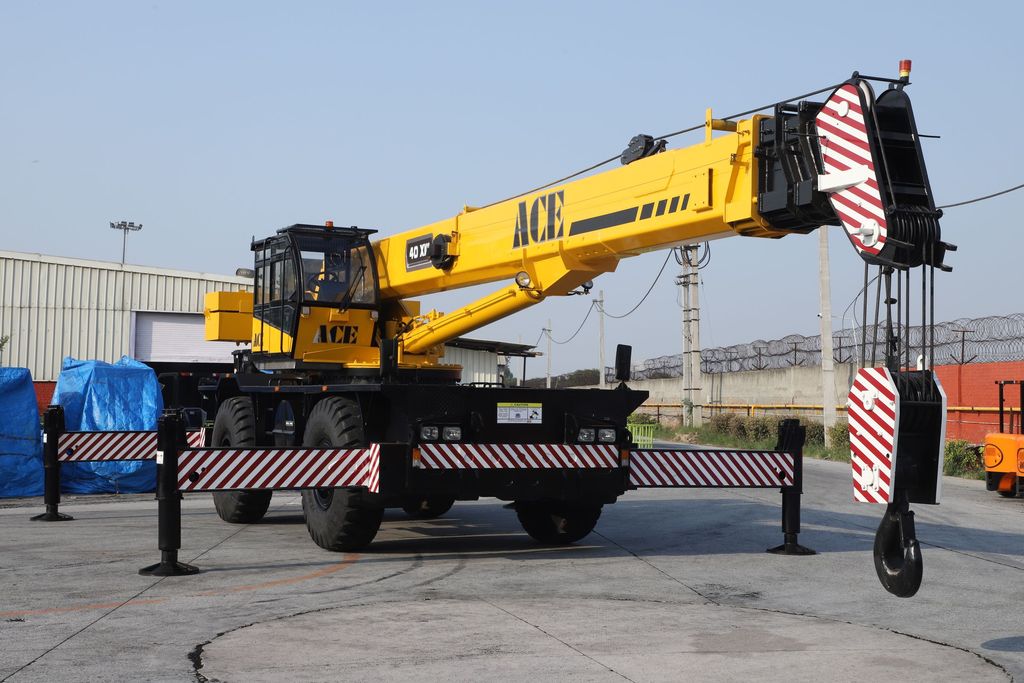
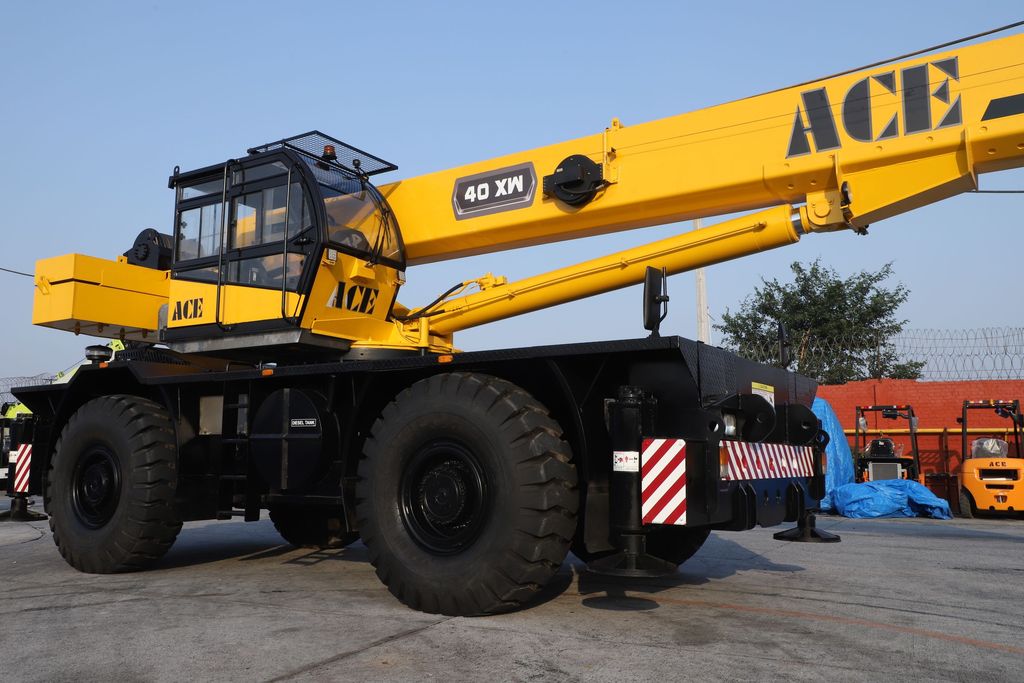
Operated fits most lifts: RTU sets, steel, signs, pools, palm trees, and equipment sets, where you want the crane, an experienced operator, and the planning handled in one booking. Bare is mostly used by contractors with their own certified operators and safety programs, often for smaller cranes like carry-decks or for long-term rental of a rough-terrain crane.
How pricing compares
Operated rental pricing varies, and our crane rental cost guide explains how it’s typically billed: by the hour with a minimum, plus travel, with the operator normally included. Bare rental is often quoted by the week or month and doesn’t include the operator, so the cost of your own operator, insurance, and planning needs to be added when you compare.
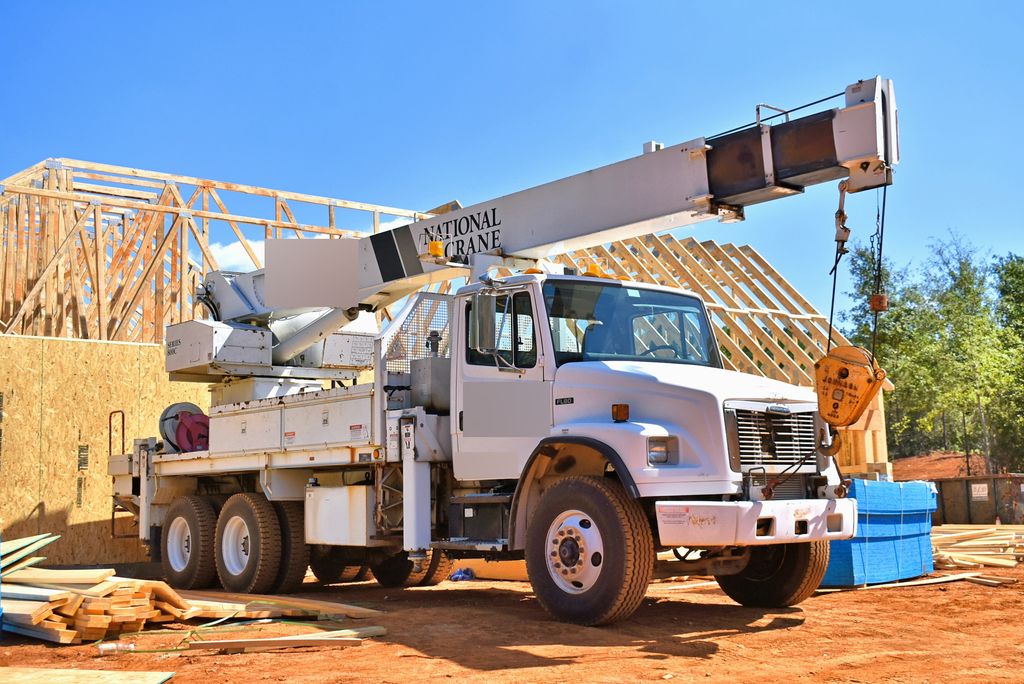
Not sure which crane fits? See boom trucks, 25–30 ton, 40–60 ton, 80–120 ton, 150+ ton, and rough-terrain cranes.
Safety and compliance basics
On construction sites, federal OSHA rules for cranes (29 CFR 1926 Subpart CC) require, among other things, a certified or qualified operator, qualified riggers and signal persons, ground conditions that can support the crane, and specific clearances from energized power lines. In Arizona, workplace safety is administered by ADOSH, which adopts these standards. A reputable crane company will ask about these items up front — that’s a good sign, not red tape.
Lifts that are heavy relative to the crane’s capacity, over occupied areas, or involve multiple cranes often require a written lift plan. Lifts from a public street or sidewalk usually need a right-of-way or street-use permit from the city; the crane company or your general contractor can typically advise on who pulls it.
How it works
- Tell us about the lift using the quote form: the load, the reach, the site, and your date.
- We line up the right crew from the vetted, licensed and insured local crane companies we work with — one that handles that type and size of lift in your area.
- You get taken care of The crane company reaches out promptly, usually the same business day, to confirm details, schedule, and quote. You work directly with them, and there’s no fee to you.